top of page


SEALERS & REPELLENTS
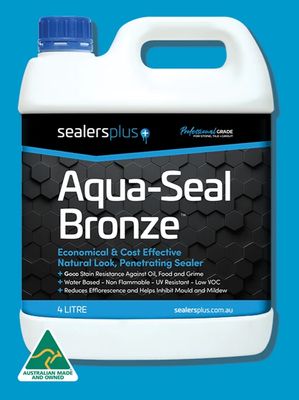
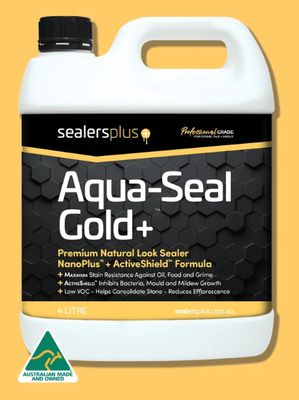
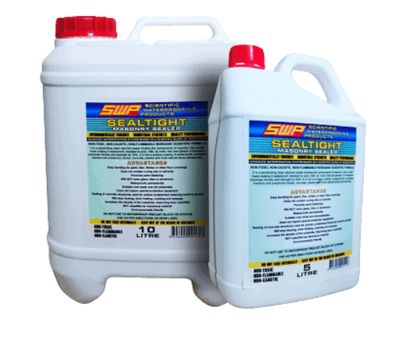
Unlike surface coatings that sit on top, penetrating sealers soak into the substrate and react chemically within the pores, becoming part of the material itself.
Key Benefits
- Protection: repels water and moisture from within the substrate rather than relying on a surface film that can crack or peel
- Resists hydrostatic pressure better than topical coatings in many applications
- Blocks salts and chlorides from penetrating, which is critical for reinforced concrete (prevents rebar corrosion)
- Durability: lasts much longer than surface coatings — typically 10–25 years depending on the product and exposure
- Won't peel, flake, or delaminate because there's no film to fail
- Handles freeze-thaw cycles well since there's no surface layer to crack
Appearance
- Natural/invisible finish — doesn't change the look or texture of the surface, unlike coatings
- No sheen or gloss (unless specifically formulated that way)
- Breathable — allows moisture vapour to escape from within the substrate, preventing trapped moisture buildup
Practical Advantages
- Low maintenance — no recoating cycles like you'd have with paint or membrane systems
- Traffic-ready quickly — no surface film means no waiting for a thick coat to cure
- Works on damp substrates in some formulations
Common Substrates
- Concrete, sandstone, brick, pavers, natural stone, and some masonry products.
Limitations to Be Aware Of
- Won't bridge cracks or fill voids — the substrate needs to be structurally sound first
- Not suitable for very dense, low-porosity surfaces where penetration is minimal
- Can't easily be removed once applied
bottom of page